Home / Reviews / Filtrete MERV 13 Filter
Filtrete MERV 13 furnace filter: worth it, uncertain, or skip?
- MERV 13 catches the tiny particles basic filters miss - smoke, bacteria, the particles that carry viruses (EPA guidance).
- About $45 a year - the cheapest whole-home air upgrade there is.
- Check an older heating system can handle it first.
- Free first: changing any filter on time beats upgrading and forgetting.
See the price on Amazon
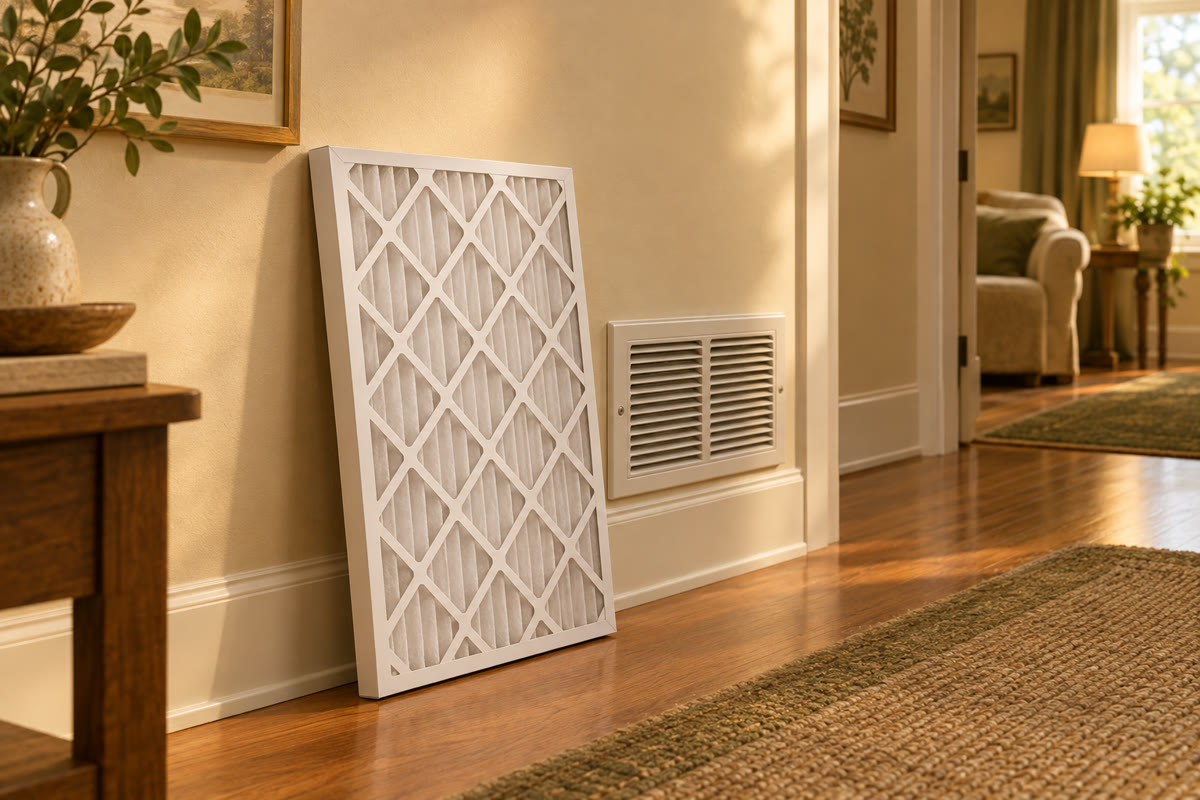
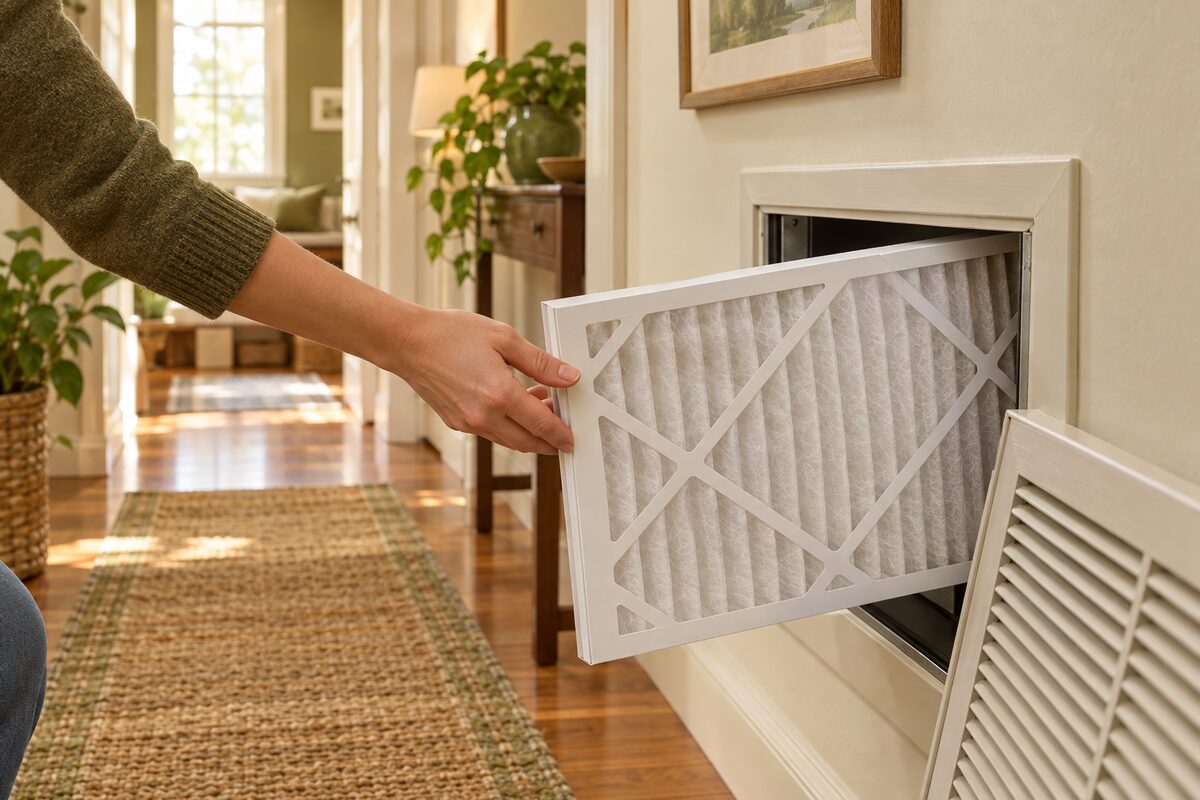
The listing we checked is the Filtrete MPR 1900 / MERV 13 in 16x25x1 - about the size of a full baking sheet - a 4-pack. Measure your slot first - filters come in dozens of sizes and the size printed on your current filter is the one to match.
View Filtrete MERV 13, 4-pack on Amazon
Affiliate link - as an Amazon Associate I earn from qualifying purchases, at no extra cost to you. Check the current price, seller, availability and label on Amazon before buying.
TerraKare verdict
Worth it
- What it is: a pleated 1-inch filter for your heating and cooling system, rated MERV 13 (Filtrete MPR 1900) - the highest grade made for homes, catching fine particles basic filters miss
- Honest label: MERV is an industry test score, not a brand claim. Filtrete cites a 62% capture rate for the tiniest particles (0.3-1 micron - that is 70 to 200 times thinner than a human hair) and a certified asthma & allergy friendly mark
- Proof: the EPA's guidance on home air filtration points to MERV 13 or higher as the target for fine particles, including smoke and the particles that carry viruses
- Watch out: some older systems strain against MERV 13's denser material. Check your system's manual or ask a technician before upgrading from a basic filter
- Real cost: about $45 a year - a 4-pack was $45.11 on Amazon when we checked November 18, 2026, and each filter lasts about 90 days (prices change; check before buying)
- Best for: any home with forced-air heating or cooling - especially with allergies, pets, wildfire smoke seasons or someone with asthma
Where it sits on the scale: MERV runs from 1 to 16 for home filters - MERV 13 sits near the top of the scale, in the band the EPA points to for fine particles. Above 16 is hospital-grade territory home systems are not built for.
The cheapest air upgrade in the house
A room purifier cleans one room for $180 plus filters. A MERV 13 furnace filter cleans every room your ductwork reaches for about $45 a year. The EPA's MERV page explains the scale: below MERV 8, filters mostly stop dust bunnies. MERV 13 and above is where fine-particle capture starts - smoke, bacteria, and the droplets that carry viruses. If your home has central air, this is the first air-quality dollar to spend.
The one check before you upgrade
Higher MERV means denser material, and denser material means more resistance to airflow. Most modern systems handle MERV 13 fine - Filtrete claims the best airflow of any residential 1-inch MERV 13 filter - but an older blower pushing against a dense filter can work harder and lose efficiency. The safe path: try one filter, listen for strain, and check that airflow at your vents stays strong. If in doubt, a $100 HVAC tune-up visit answers it for good.
Check today's price
Match the size printed on your current filter, and confirm size, quantity and price before buying.
Check Filtrete MERV 13, 4-pack on Amazon
Affiliate link - as an Amazon Associate I earn from qualifying purchases, at no extra cost to you. Check the current price, seller, availability and label on Amazon before buying.
Who says what
The government: the EPA's guidance points to MERV 13 or higher as the target for fine particles - smoke, bacteria, and the particles that carry viruses.
The engineers' association: ASHRAE, the heating and cooling engineers' association, recommends filters and air cleaners that achieve MERV 13 or better in its core guidance.
The allergy association: this exact filter family (Filtrete MPR 1900, MERV 13) carries the Asthma and Allergy Foundation of America's certified mark - independently tested against their standards.
What buyers say
The MPR 1900 version scores 4.8 out of 5 from about 650 ratings on Walmart's listing (checked November 18, 2026). The happy theme: less dust on shelves and easier breathing when allergy season hits. The grumbles are about paying more than a basic filter costs - which is the whole MERV trade-off in one sentence.
Your worries, answered
"Will it hurt my furnace?" Most modern systems handle MERV 13 fine. An older blower can strain - try one filter, listen, and check the airflow at your vents.
"How do I find my size?" It is printed on the edge of your current filter. Match that number exactly - filters come in dozens of sizes.
"How often do I change it?" About every 90 days. Set a phone reminder - a clogged filter is worse than a cheap clean one.
"Is MERV 13 overkill?" The EPA points to MERV 13 as the target for fine particles like smoke. Below MERV 8, a filter mostly stops dust bunnies.
Free first
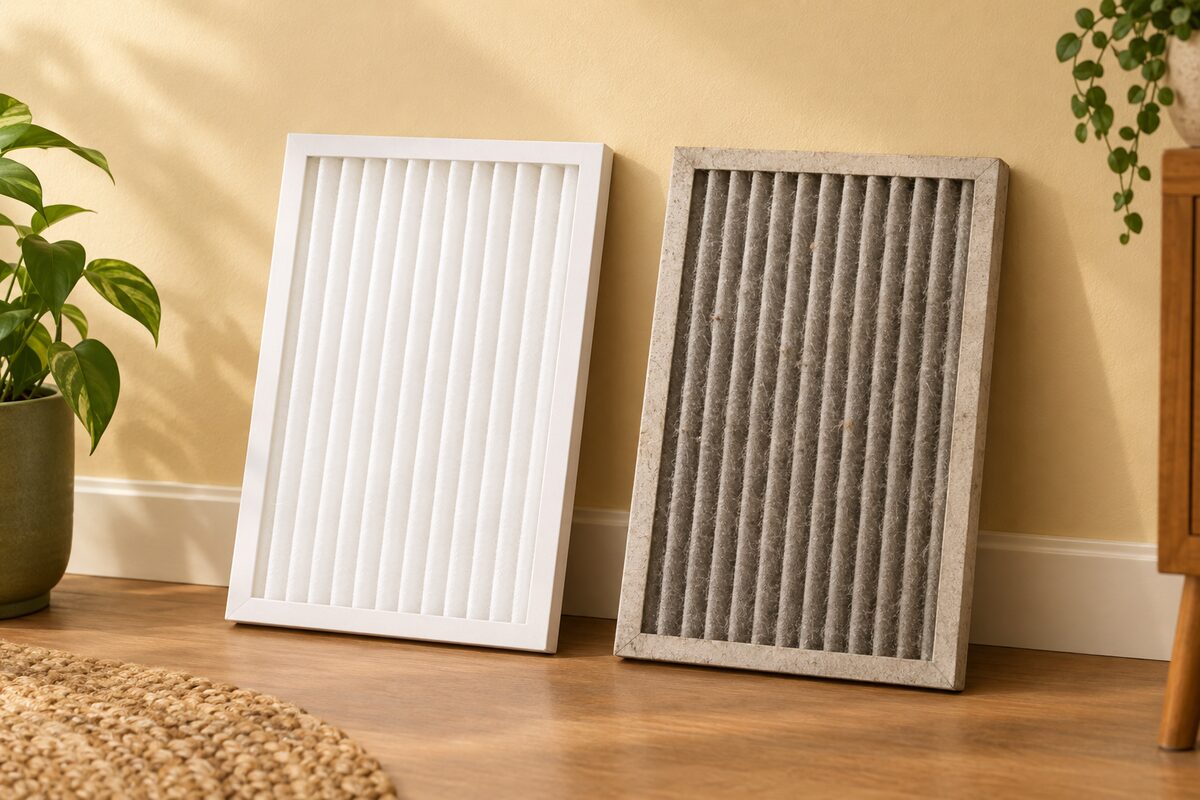
Whatever filter you have now, changing it on time beats upgrading and forgetting. A clogged filter is worse than a cheap clean one - it blocks airflow and cleans nothing. Set a 90-day reminder on your phone, then upgrade. Our indoor air at home guide ranks every air fix by cost, starting at zero.
Ready for cleaner air?
If your system can handle it, this is the filter we checked - every room, about $45 a year.
View Filtrete MERV 13, 4-pack on Amazon
Affiliate link - as an Amazon Associate I earn from qualifying purchases, at no extra cost to you. Check the current price, seller, availability and label on Amazon before buying.
Related reviews
Sources
- US EPA - What is a MERV rating? (why MERV 13 is the fine-particle threshold)
- US EPA - Guide to Air Cleaners in the Home (HVAC filters versus room purifiers)
- Amazon listing (price, pack size, certifications as listed)
- Walmart customer reviews (buyer score, as checked November 18, 2026)
- ASHRAE core recommendations (MERV 13 or better) and AAFA certified products program