Home / Detox & Environment / Guides
The air inside your home: what actually matters
Air purifier ads want you to imagine your living room as a toxic cloud. The EPA's actual position is calmer and more useful: indoor air matters a lot, and the fixes are mostly free before they are expensive.
Why indoor air deserves attention
We spend about 90 percent of our time indoors, where pollutant levels can be higher than outside. The people who feel poor indoor air most are children, older adults, and anyone with asthma or heart disease. So yes, this one is worth taking seriously. Just not in the order the ads suggest.
Lever 1: source control (free)
The cheapest air cleaning is removing the source. Do not smoke indoors. Run the exhaust fan or crack a window when cooking. Store paints, solvents and harsh cleaners sealed and away from living space. Every source you remove is pollution that never needs filtering.
Lever 2: ventilation (free)
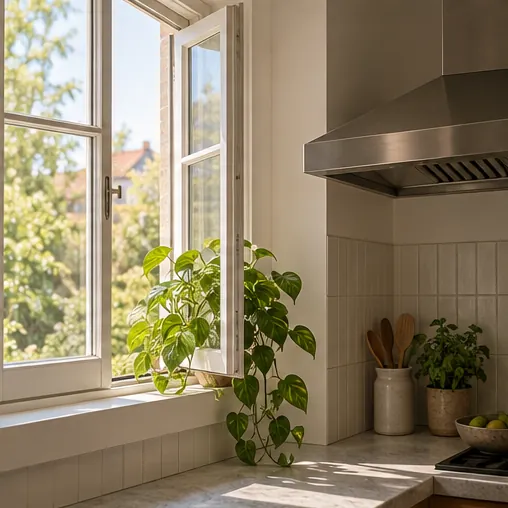
Fresh air exchange dilutes whatever builds up inside. Opening windows when outdoor air is clean, and using kitchen and bathroom exhaust fans, does more than most gadgets. During wildfire smoke or heavy pollen days, the advice flips: close up and filter instead.
Lever 3: filtration (this is where money enters)
A purifier is the third lever, not the first. It earns its price when sources are controlled, ventilation is handled, and a real need remains: smoke seasons, allergies, a baby in the house, a main road outside. When that day comes, we will review them the TerraKare way, with real running costs.
Sources
- US EPA: Indoor Air Quality (time spent indoors, vulnerable groups, and the source control / ventilation / filtration framework, checked November 16, 2026)
Keep reading
Back to the Detox & Environment hub · Before you buy a probiotic · How we review products