Home / Reviews / Nature Made Vitamin D3
Nature Made Vitamin D3 2000 IU: worth it, uncertain, or skip?
- USP Verified - an independent lab proved the bottle contains what the label says.
- It corrects a vitamin D shortfall. The huge VITAL trial says it does not prevent cancer or heart disease.
- About $0.10 a day.
- Free first: a blood test tells you if you even need it.
See the price on Amazon
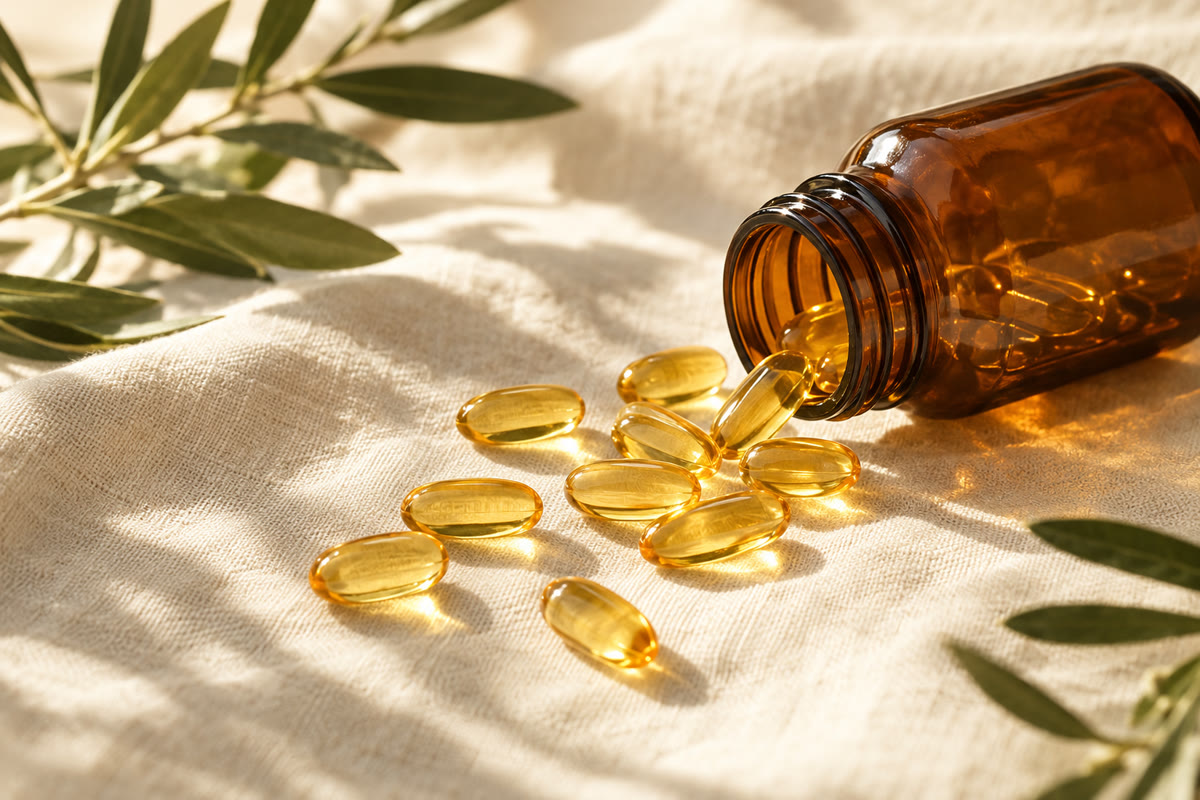
The listing we checked is Nature Made Vitamin D3 2000 IU, 250 softgels - over eight months at one a day. Look for the USP mark on the label.
View Nature Made D3 2000 IU, 250ct on Amazon
Affiliate link - as an Amazon Associate I earn from qualifying purchases, at no extra cost to you. Check the current price, seller, availability and label on Amazon before buying.
TerraKare verdict
Worth it, if you are low - and many people are
- What it is: vitamin D3 (cholecalciferol), 2000 IU (50 mcg) per softgel - the same form your skin makes from sunlight. And 50 mcg is tiny: about the weight of a single grain of salt
- Honest label, proven: USP Verified means an independent lab confirmed the bottle contains what the label says, at the stated strength. That is rare in the supplement aisle
- Proof: vitamin D's role in bone health is settled. The VITAL trial (nearly 26,000 adults, published in the New England Journal of Medicine) found 2000 IU a day did not prevent cancer or heart problems in generally healthy adults - so the honest promise is fixing a shortfall, not preventing disease
- Watch out: the adult upper limit is 4,000 IU a day (NIH ODS). More is not better, and high doses need a doctor's supervision
- Real cost: about $0.10 a day - a 250-softgel bottle was $24.39 at Publix when we checked November 18, 2026 (prices change; check before buying)
- Best for: anyone with little sun exposure - northern winters, indoor work, darker skin tones - or a blood test showing low levels
Where it sits on the scale: The daily target for adults is 600-800 IU and the safety cap is 4,000 IU - one 2,000 IU softgel is exactly half the maximum, a middle dose rather than a mega-dose.
The trial that keeps us honest
Vitamin D was supposed to prevent cancer and heart disease - until the VITAL trial tested it properly. In nearly 26,000 adults followed for over five years, 2000 IU a day did not lower cancer or cardiovascular event rates. What vitamin D reliably does is maintain bone health and correct deficiency, which is common: people with indoor jobs, winter latitudes, darker skin or covered skin routinely test low. Buy it for the shortfall, not for immortality.
Why USP Verified is the headline feature
Supplements are not checked by the FDA before sale, so independent verification is the only proof the softgel contains 2000 IU of actual D3. USP Verified is the gold standard of that proof - most vitamin D bottles on the shelf do not carry it. At ten cents a day, the verified option costs the same as the unverified ones, which makes this an easy pick.

Check today's price
One softgel daily keeps you at half the adult upper limit, even alongside fortified foods. Confirm the USP mark on the current label before buying.
Check Nature Made D3 2000 IU, 250ct on Amazon
Affiliate link - as an Amazon Associate I earn from qualifying purchases, at no extra cost to you. Check the current price, seller, availability and label on Amazon before buying.
Who says what
The government: the NIH Office of Dietary Supplements lays out who runs low, the forms, and the 4,000 IU daily upper limit.
The scientists: the VITAL trial - nearly 26,000 adults, published in the New England Journal of Medicine - found 2000 IU a day did not prevent cancer or heart problems.
The hormone doctors: the Endocrine Society's 2024 guideline says most healthy adults do not need routine vitamin D pills, while children, pregnancy and adults over 75 may benefit. That is the blood-test-first advice in a nutshell.
What buyers say
It scores 4.8 out of 5 from over 23,000 ratings on Amazon - one of the most-rated vitamins on the site (checked November 18, 2026). The honest footnote: those stars tell you the bottle arrives as promised, which is the USP seal doing its job. They do not tell you it prevents disease - the VITAL trial settled that question.
Your worries, answered
"Can I take too much?" Yes - more is not better. Stay under the 4,000 IU adult daily limit unless a doctor is supervising a higher dose.
"With food or without?" Take it with a meal that has some fat - vitamin D absorbs better that way.
"D2 or D3?" D3 is the form your own skin makes from sunlight, and it raises blood levels better. This bottle is D3.
"Do I even need it?" Maybe not. A cheap 25-hydroxy vitamin D blood test at your next checkup answers that - and tells you the right dose if you do.
Free first
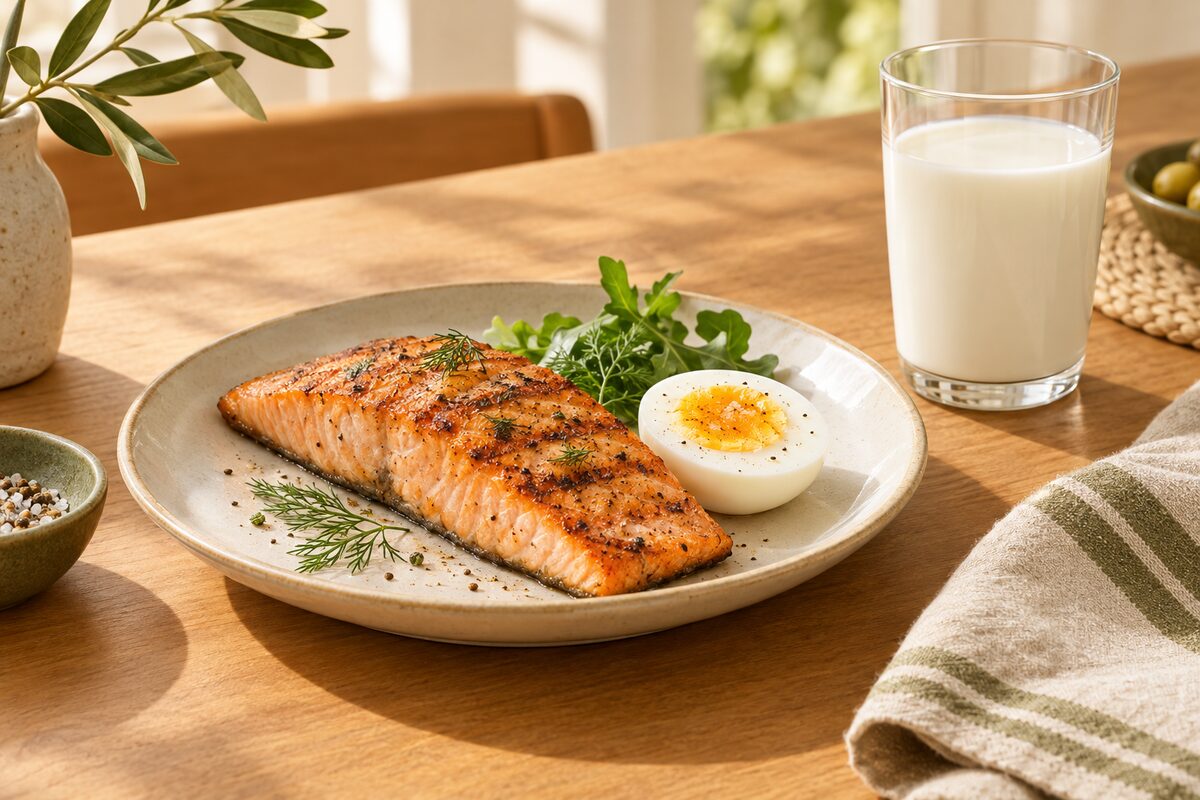
Midday sun on arms and legs a few times a week makes vitamin D free, and fatty fish, fortified milk and eggs add more. If you want certainty, ask for a 25-hydroxy vitamin D blood test at your next checkup - it is cheap, and it tells you whether you need a supplement at all, and at what dose.
Ready to try it?
Tested low, or short on sun? This is the verified bottle we priced.
View Nature Made D3 2000 IU, 250ct on Amazon
Affiliate link - as an Amazon Associate I earn from qualifying purchases, at no extra cost to you. Check the current price, seller, availability and label on Amazon before buying.
Related reviews
Sources
- NIH Office of Dietary Supplements - Vitamin D fact sheet for health professionals (forms, 4,000 IU UL, deficiency risk groups)
- Manson JE et al. - Vitamin D Supplements and Prevention of Cancer and Cardiovascular Disease (VITAL), NEJM 2019
- Publix listing (price as checked)
- Amazon listing (buyer score, as checked November 18, 2026)
- Endocrine Society 2024 vitamin D guideline