Home / Longevity & Movement / Guides
Antioxidant supplements: what the evidence actually says
"Antioxidant" is the word longevity marketing reaches for first, because it sounds like rust proofing for your body. The NCCIH reviewed the research, and the honest summary will save you real money.
What the studies found
Extensive studies have tested antioxidant supplements, especially vitamin E and beta-carotene, against the chronic diseases of aging: cancer, cardiovascular disease, eye disease, Alzheimer's. The current evidence does not support the idea that antioxidant supplements prevent these diseases. Worse, high doses of beta-carotene may increase the risk of lung cancer.
The confusing part: food is different
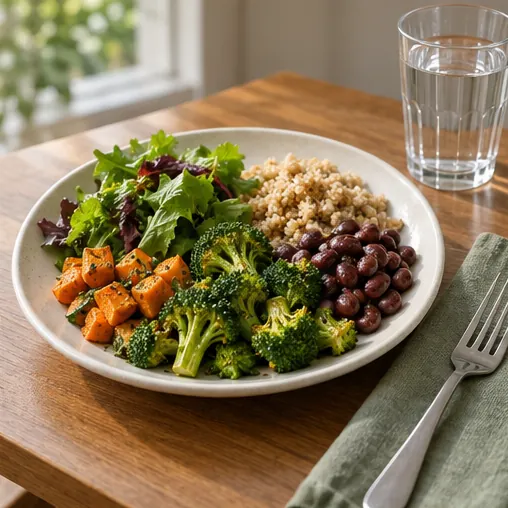
People who eat more vegetables and fruits genuinely do have lower risks of chronic disease. A 2017 review of 95 observational studies covering more than 2 million participants found exactly that. So why does the pill fail where the food succeeds? The likely answers: the benefit comes from the whole food package and the lifestyle around it, not from one isolated chemical; purified antioxidants may act differently than the mixtures in food; and supplement doses are far higher than anything a salad delivers.
What this means for your cart
An "antioxidant blend" is a bet that an isolated chemical beats the food it came from. The evidence says the opposite. Spend the money on produce first. If a specific antioxidant product ever earns a decision page here, it will be because strain, dose and outcome match a real study, not because the word sounds healthy.
Sources
- NCCIH: Antioxidant Supplements: What You Need To Know (evidence review and safety, checked November 16, 2026)
Keep reading
Back to the Longevity & Movement hub · Before you buy a probiotic · How we review products